
Books
Three recent books to help believers and church leaders recognize the Spirit’s work, grow in Christ, and cultivate healthier ministry life.
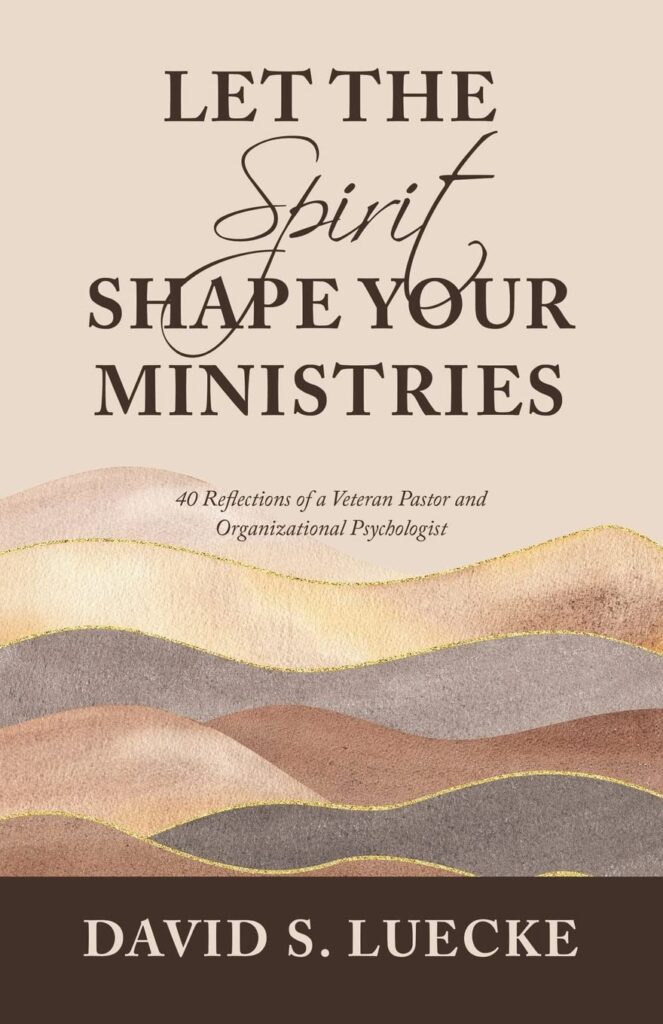
Let the Spirit Shape Your Ministries
A book for pastors and church leaders seeking renewal. These reflections help leaders become attentive to the Spirit’s work, find language for spiritual experience, and take practical steps that shape healthier ministry.
Outline
- Naming the Spirit at Work in Lives
- Sharing Spirit Experiences with Others
- Seek Growth in the Spirit’s Influence
- The Spirit Calls
- The Spirit Gathers
- The Spirit Enlightens
- The Spirit Sanctifies
- Turning Insights Into Actions
-
Luecke writes for believers who live in the tension between doctrine and experience, and that tension defines the atmosphere of the book. As someone shaped by Word-centered traditions, I found his insistence that attentiveness to the Spirit does not contradict Reformation theology both reassuring and challenging.

-
What sets this book apart is its insistence on language. Luecke repeatedly returns to the importance of naming spiritual experiences, arguing that what remains unnamed often fades. This is not a book about chasing signs; it’s about learning attentiveness. The result feels grounded, wise, and surprisingly countercultural in an age of instant answers.
-
This book helped me rethink what spiritual growth actually looks like. The atmosphere is calm, almost counter-intuitive in a culture that equates spirituality with intensity. Luecke’ insistence that the Spirit often works through reason, memory and community challenged my assumptions.

-
Luecke writes for believers who live in the tension between doctrine and experience, and that tension defines the atmosphere of the book. As someone shaped by Word-centered traditions, I found his insistence that attentiveness to the Spirit does not contradict Reformation theology both reassuring and challenging.
-
What sets this book apart is its insistence on language. Luecke repeatedly returns to the importance of naming spiritual experiences, arguing that what remains unnamed often fades. This is not a book about chasing signs; it’s about learning attentiveness. The result feels grounded, wise, and surprisingly countercultural in an age of instant answers.
-
This book helped me rethink what spiritual growth actually looks like. The atmosphere is calm, almost counter-intuitive in a culture that equates spirituality with intensity. Luecke’ insistence that the Spirit often works through reason, memory and community challenged my assumptions.
-
Luecke writes for believers who live in the tension between doctrine and experience, and that tension defines the atmosphere of the book. As someone shaped by Word-centered traditions, I found his insistence that attentiveness to the Spirit does not contradict Reformation theology both reassuring and challenging.
-
What sets this book apart is its insistence on language. Luecke repeatedly returns to the importance of naming spiritual experiences, arguing that what remains unnamed often fades. This is not a book about chasing signs; it’s about learning attentiveness. The result feels grounded, wise, and surprisingly countercultural in an age of instant answers.
-
This book helped me rethink what spiritual growth actually looks like. The atmosphere is calm, almost counter-intuitive in a culture that equates spirituality with intensity. Luecke’ insistence that the Spirit often works through reason, memory and community challenged my assumptions.
-
Luecke writes for believers who live in the tension between doctrine and experience, and that tension defines the atmosphere of the book. As someone shaped by Word-centered traditions, I found his insistence that attentiveness to the Spirit does not contradict Reformation theology both reassuring and challenging.
-
What sets this book apart is its insistence on language. Luecke repeatedly returns to the importance of naming spiritual experiences, arguing that what remains unnamed often fades. This is not a book about chasing signs; it’s about learning attentiveness. The result feels grounded, wise, and surprisingly countercultural in an age of instant answers.
-
This book helped me rethink what spiritual growth actually looks like. The atmosphere is calm, almost counter-intuitive in a culture that equates spirituality with intensity. Luecke’ insistence that the Spirit often works through reason, memory and community challenged my assumptions.
-
Luecke writes for believers who live in the tension between doctrine and experience, and that tension defines the atmosphere of the book. As someone shaped by Word-centered traditions, I found his insistence that attentiveness to the Spirit does not contradict Reformation theology both reassuring and challenging.
-
What sets this book apart is its insistence on language. Luecke repeatedly returns to the importance of naming spiritual experiences, arguing that what remains unnamed often fades. This is not a book about chasing signs; it’s about learning attentiveness. The result feels grounded, wise, and surprisingly countercultural in an age of instant answers.
-
This book helped me rethink what spiritual growth actually looks like. The atmosphere is calm, almost counter-intuitive in a culture that equates spirituality with intensity. Luecke’ insistence that the Spirit often works through reason, memory and community challenged my assumptions.
-
Luecke writes for believers who live in the tension between doctrine and experience, and that tension defines the atmosphere of the book. As someone shaped by Word-centered traditions, I found his insistence that attentiveness to the Spirit does not contradict Reformation theology both reassuring and challenging.
-
What sets this book apart is its insistence on language. Luecke repeatedly returns to the importance of naming spiritual experiences, arguing that what remains unnamed often fades. This is not a book about chasing signs; it’s about learning attentiveness. The result feels grounded, wise, and surprisingly countercultural in an age of instant answers.
-
This book helped me rethink what spiritual growth actually looks like. The atmosphere is calm, almost counter-intuitive in a culture that equates spirituality with intensity. Luecke’ insistence that the Spirit often works through reason, memory and community challenged my assumptions.
How to Spot the Spirit’s Work in Your Life
A practical guide to recognizing and naming the Spirit’s work in daily life. It encourages believers to seek the Spirit’s gifts and fruit, recognize growth, and practice habits that lead to a thriving life in Christ.
Outline
- The Spirit Is the Key To Thriving in Christ
- The Spirit And the Easy Yoke
- Naming Encounters with the Spirit
- Living the Present Salvation of the Spirit’s Fruit
- Specially Motivated by the Spirit
- Recognizing Growth in the Spirit
- Personal Growth Journeys Shaped by the Spirit
- The Six GROWTH Practices
- Discovering Personal Pathways for Encountering the Spirit
- Partnering to Build Up the Fellowship of the Holy Spirit
- The Developer Model for Spirit-Based Ministry
-
Believers who raise their awareness of the Holy Spirit, who practice GROWTH in the Spirit and who then share their experiences will find their Christian life becomes more exciting and fulfilling. Pastors who teach Spirit awareness and GROWTH practices will see their congregation become more stimulating, heathy and attractive.
-
We confess that the fellowship of the Holy Spirit gives churches their unique identity and energy. Yet many traditional Protestant churches act otherwise. Withering congregation can regain vitality by refocusing on this truth and learning to name and share their encounters with Christ’s Spirit.
-
The Holy Spirit is the key to thriving in Christ.

-
Believers who raise their awareness of the Holy Spirit, who practice GROWTH in the Spirit and who then share their experiences will find their Christian life becomes more exciting and fulfilling. Pastors who teach Spirit awareness and GROWTH practices will see their congregation become more stimulating, heathy and attractive.
-
We confess that the fellowship of the Holy Spirit gives churches their unique identity and energy. Yet many traditional Protestant churches act otherwise. Withering congregation can regain vitality by refocusing on this truth and learning to name and share their encounters with Christ’s Spirit.
-
The Holy Spirit is the key to thriving in Christ.
-
Believers who raise their awareness of the Holy Spirit, who practice GROWTH in the Spirit and who then share their experiences will find their Christian life becomes more exciting and fulfilling. Pastors who teach Spirit awareness and GROWTH practices will see their congregation become more stimulating, heathy and attractive.
-
We confess that the fellowship of the Holy Spirit gives churches their unique identity and energy. Yet many traditional Protestant churches act otherwise. Withering congregation can regain vitality by refocusing on this truth and learning to name and share their encounters with Christ’s Spirit.
-
The Holy Spirit is the key to thriving in Christ.
-
Believers who raise their awareness of the Holy Spirit, who practice GROWTH in the Spirit and who then share their experiences will find their Christian life becomes more exciting and fulfilling. Pastors who teach Spirit awareness and GROWTH practices will see their congregation become more stimulating, heathy and attractive.
-
We confess that the fellowship of the Holy Spirit gives churches their unique identity and energy. Yet many traditional Protestant churches act otherwise. Withering congregation can regain vitality by refocusing on this truth and learning to name and share their encounters with Christ’s Spirit.
-
The Holy Spirit is the key to thriving in Christ.
-
Believers who raise their awareness of the Holy Spirit, who practice GROWTH in the Spirit and who then share their experiences will find their Christian life becomes more exciting and fulfilling. Pastors who teach Spirit awareness and GROWTH practices will see their congregation become more stimulating, heathy and attractive.
-
We confess that the fellowship of the Holy Spirit gives churches their unique identity and energy. Yet many traditional Protestant churches act otherwise. Withering congregation can regain vitality by refocusing on this truth and learning to name and share their encounters with Christ’s Spirit.
-
The Holy Spirit is the key to thriving in Christ.
-
Believers who raise their awareness of the Holy Spirit, who practice GROWTH in the Spirit and who then share their experiences will find their Christian life becomes more exciting and fulfilling. Pastors who teach Spirit awareness and GROWTH practices will see their congregation become more stimulating, heathy and attractive.
-
We confess that the fellowship of the Holy Spirit gives churches their unique identity and energy. Yet many traditional Protestant churches act otherwise. Withering congregation can regain vitality by refocusing on this truth and learning to name and share their encounters with Christ’s Spirit.
-
The Holy Spirit is the key to thriving in Christ.
Alive in the Spirit
A gentle, invitational book that helps readers become more aware of God’s presence, seek the Spirit’s gifts and fruit, cultivate healthy spiritual “soil,” and shape church culture to thrive spiritually.
Outline
- Why the Holy Spirit Is So Important Today
- How Do People Experience God in Their Lives?
- Seek the Gifts and Fruit of the Spirit
- The Spirit Brings Growth Beyond Conformity
- Cultivate the Soil of Personal and Church Life
- Share Stories of Personal Spiritual Journey
- Modify Your Church Culture To Thrive Spiritually
- Change the Behavior to Change the Culture
Available on Amazon by end of February
-
The atmosphere of the book is gentle and invitational, like a long pastoral conversation rather than a lecture. His image of the Spirit as God’s “wind” lingered with me. This book didn’t demand dramatic experiences; instead, it taught me to notice what I had been overlooking. That alone made it transformative for my spiritual habits.
-
What struck me first was the quiet spiritual confidence of this book. Rather than urging the reader toward emotional intensity, it felt like a seasoned pastor gently calling me to slow down and listen for God’s presence.
-
I found myself pausing often, not from difficulty, but because the words stirred memories of prayer, conviction and moments of peace I now recognize as God’s work. This book drew me closer to God by training my attention—teaching me patience, humility and trust in the Spirit’s quiet, faithful guidance rather than demanding constant spiritual excitement.
-
Luecke’s insistence that the Spirit often works through reason, memory and community challenged my assumptions. I was especially struck by the idea that churches can unintentionally suppress the Spirit through rigid culture rather than disbelief.
-
From a teaching perspective, this book is remarkably practical. The chapter structures, discussion questions and Scripture-focused sections make it ideal for adult education or small groups. The atmosphere is collaborative, emphasizing shared discernment rather than individual authority. This book functions as both a theological resource and a ministry tool, which is no small achievement.
-
The atmosphere of the book is gentle and invitational, like a long pastoral conversation rather than a lecture. His image of the Spirit as God’s “wind” lingered with me. This book didn’t demand dramatic experiences; instead, it taught me to notice what I had been overlooking. That alone made it transformative for my spiritual habits.
-
What struck me first was the quiet spiritual confidence of this book. Rather than urging the reader toward emotional intensity, it felt like a seasoned pastor gently calling me to slow down and listen for God’s presence.
-
I found myself pausing often, not from difficulty, but because the words stirred memories of prayer, conviction and moments of peace I now recognize as God’s work. This book drew me closer to God by training my attention—teaching me patience, humility and trust in the Spirit’s quiet, faithful guidance rather than demanding constant spiritual excitement.
-
Luecke’s insistence that the Spirit often works through reason, memory and community challenged my assumptions. I was especially struck by the idea that churches can unintentionally suppress the Spirit through rigid culture rather than disbelief.
-
From a teaching perspective, this book is remarkably practical. The chapter structures, discussion questions and Scripture-focused sections make it ideal for adult education or small groups. The atmosphere is collaborative, emphasizing shared discernment rather than individual authority. This book functions as both a theological resource and a ministry tool, which is no small achievement.
-
The atmosphere of the book is gentle and invitational, like a long pastoral conversation rather than a lecture. His image of the Spirit as God’s “wind” lingered with me. This book didn’t demand dramatic experiences; instead, it taught me to notice what I had been overlooking. That alone made it transformative for my spiritual habits.
-
What struck me first was the quiet spiritual confidence of this book. Rather than urging the reader toward emotional intensity, it felt like a seasoned pastor gently calling me to slow down and listen for God’s presence.
-
I found myself pausing often, not from difficulty, but because the words stirred memories of prayer, conviction and moments of peace I now recognize as God’s work. This book drew me closer to God by training my attention—teaching me patience, humility and trust in the Spirit’s quiet, faithful guidance rather than demanding constant spiritual excitement.
-
Luecke’s insistence that the Spirit often works through reason, memory and community challenged my assumptions. I was especially struck by the idea that churches can unintentionally suppress the Spirit through rigid culture rather than disbelief.
-
From a teaching perspective, this book is remarkably practical. The chapter structures, discussion questions and Scripture-focused sections make it ideal for adult education or small groups. The atmosphere is collaborative, emphasizing shared discernment rather than individual authority. This book functions as both a theological resource and a ministry tool, which is no small achievement.
-
The atmosphere of the book is gentle and invitational, like a long pastoral conversation rather than a lecture. His image of the Spirit as God’s “wind” lingered with me. This book didn’t demand dramatic experiences; instead, it taught me to notice what I had been overlooking. That alone made it transformative for my spiritual habits.
-
What struck me first was the quiet spiritual confidence of this book. Rather than urging the reader toward emotional intensity, it felt like a seasoned pastor gently calling me to slow down and listen for God’s presence.
-
I found myself pausing often, not from difficulty, but because the words stirred memories of prayer, conviction and moments of peace I now recognize as God’s work. This book drew me closer to God by training my attention—teaching me patience, humility and trust in the Spirit’s quiet, faithful guidance rather than demanding constant spiritual excitement.
-
Luecke’s insistence that the Spirit often works through reason, memory and community challenged my assumptions. I was especially struck by the idea that churches can unintentionally suppress the Spirit through rigid culture rather than disbelief.
-
From a teaching perspective, this book is remarkably practical. The chapter structures, discussion questions and Scripture-focused sections make it ideal for adult education or small groups. The atmosphere is collaborative, emphasizing shared discernment rather than individual authority. This book functions as both a theological resource and a ministry tool, which is no small achievement.
